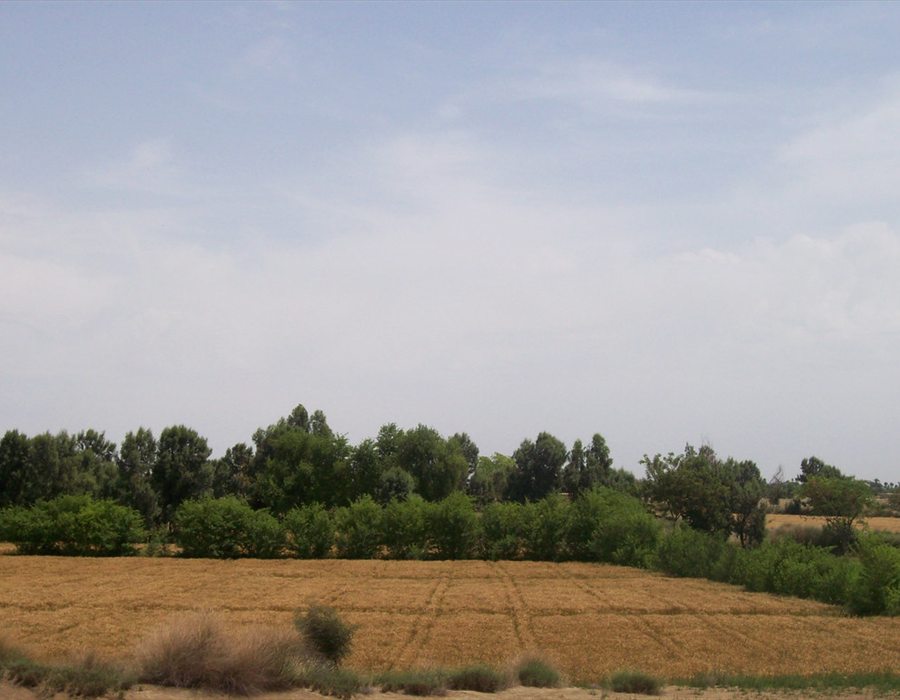













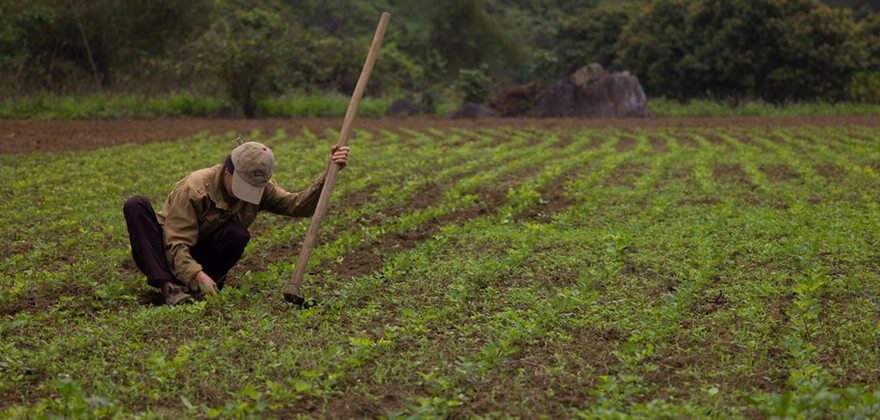
Every autumn the same question comes up. The rice is off, the wheat needs to go in, and there is a field full of stubble in the way. Burning is quick. It is also a straight loss of something you paid for.
Look, we understand why it happens. The turnaround between rice harvest and wheat sowing is tight, labour is expensive, and a match is free. It is frustrating when we see it, but the pressure behind it is real, so the alternatives have to actually work on a short turnaround or they are useless.
1. Sow straight into the residue with a zero-till drill
A Happy Seeder or comparable zero-till drill puts wheat into standing or loose residue without clearing it first. You skip the clearing operation entirely, which is what makes it fit the tight window. The residue then acts as a mulch, holding moisture through the early growth stage. This is usually the option that fits the turnaround best.
2. Incorporate it
Chop and work the residue into the topsoil. This costs you a pass and it costs you a little time, and the residue takes weeks to break down, so it is better suited to fields where sowing is not immediate. What you get back is organic matter, which is the thing most of our tested soils are short of.
3. Bale it and sell it
Where a baler and a buyer are both available, residue has a value as fodder or as feedstock. This turns a disposal problem into a small income. The catch is availability. If there is no baler within reach in the week you need it, this option is theoretical.
4. Mulch it onto the surface
Spread it and leave it. Reduces evaporation, moderates soil temperature, suppresses some weeds. Simplest of the four, and useful on fields going into a later crop.
Why it is worth the trouble
Two reasons, and the first one is yours. Residue is organic matter, and organic matter is what lets soil hold moisture through a dry spell. Burn it every year and you are steadily degrading the thing that carries your crop between irrigations. Soils we retest after several seasons of residue retention generally show better structure and better water-holding than comparable fields that burn, though the rate of change depends heavily on soil type and how much residue is actually retained.
The second reason is the air. Residue burning is a significant contributor to the smog that settles over Punjab every autumn, and that is a health cost paid by everyone including the people who set the fires.
Being straight about the constraint
We cannot fix everything overnight. Zero-till drills are not available everywhere, balers are scarcer still, and incorporation takes time that a tight window does not always allow. What we can do is help work out which of the four fits your actual situation, and arrange the machinery where we have it. Start with one field rather than the whole farm.
This information is general guidance. Confirm variety, dose and spray timing with your local Agriculture Extension officer before application. Always follow the product label.